Tap to explore
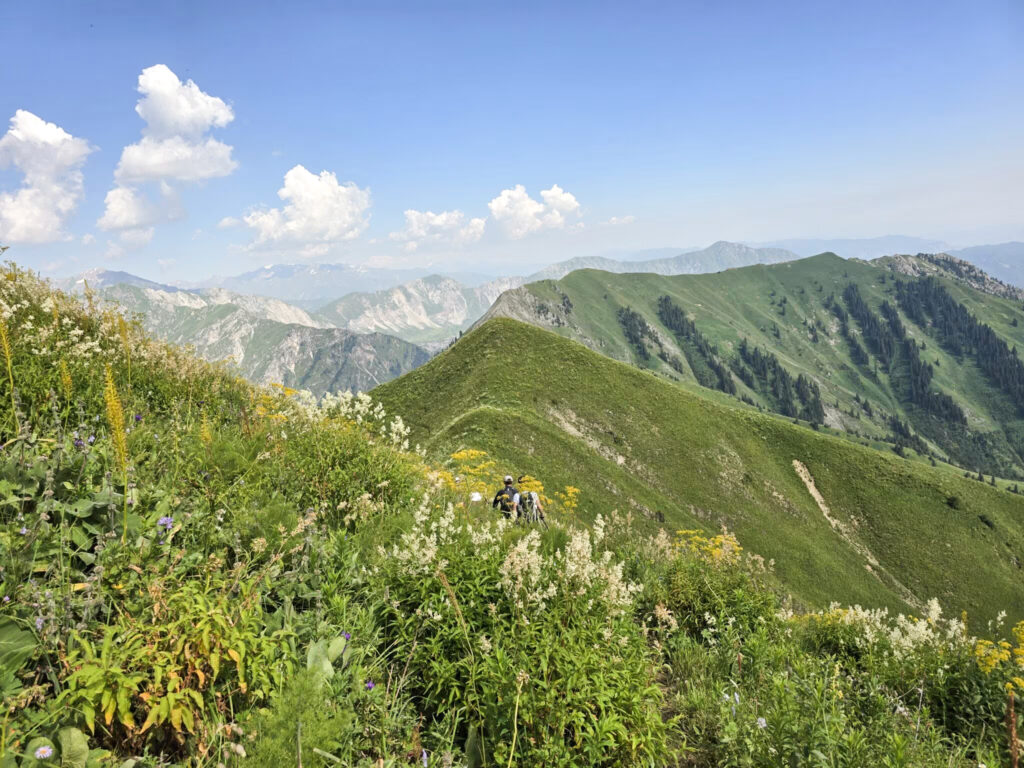
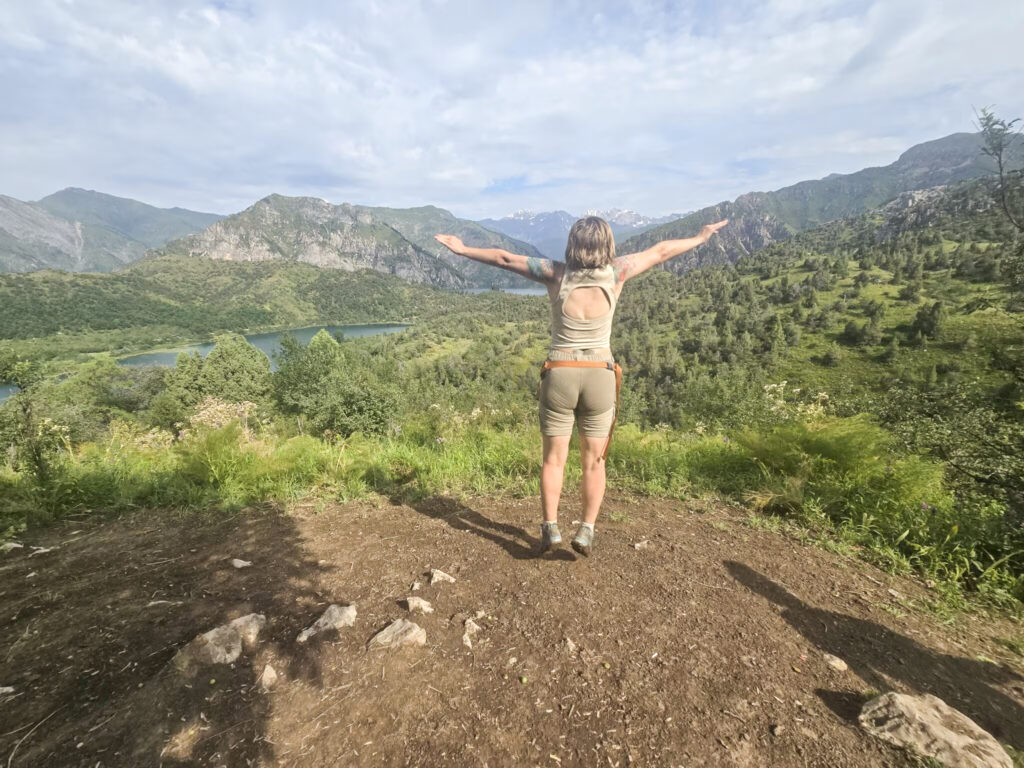
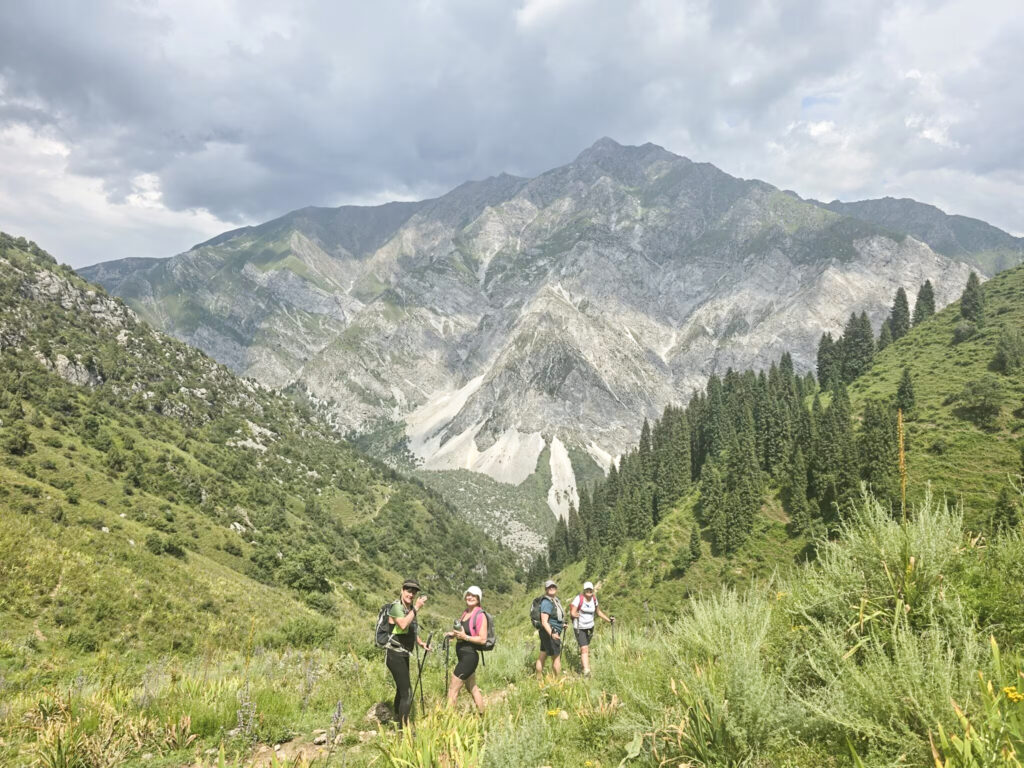
This is Kyrgyzstan at its wildest.
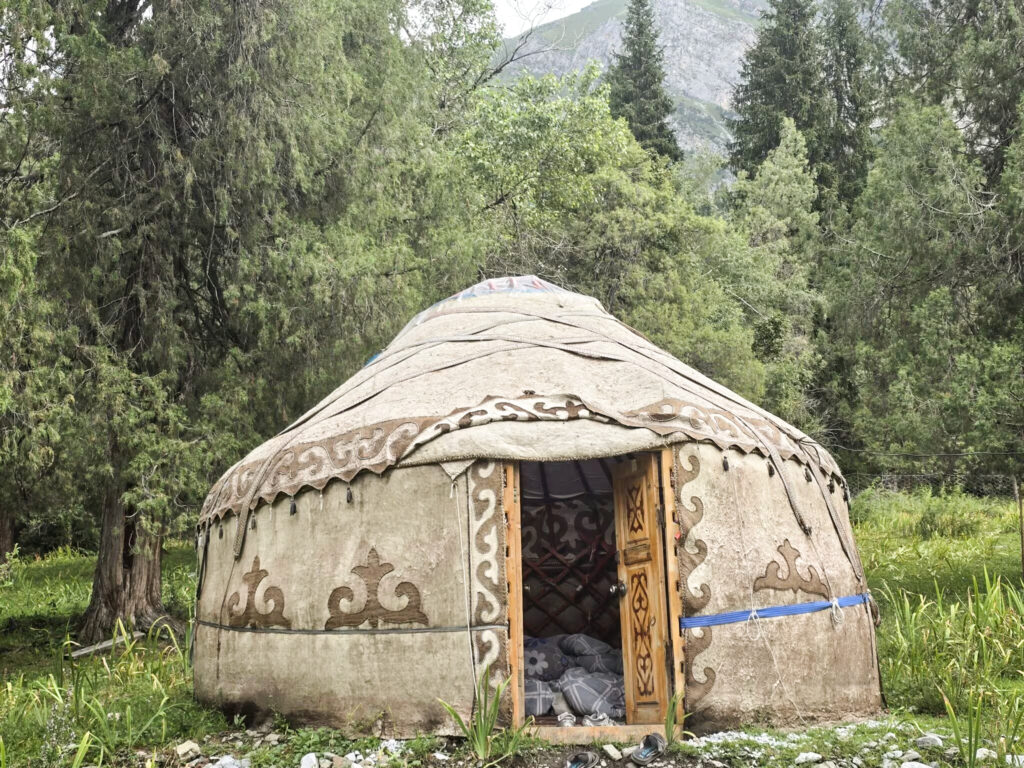
Over 11 days, we’ll trek deep into the stunning UNESCO-listed Sary-Chelek Biosphere Reserve, crossing high mountain passes, wandering through ancient forests and alpine meadows, and following trails into valleys few travellers ever reach. We’ll carry only our day packs while the rest of our luggage travels ahead. Much more civilised. But this trip isn’t just about the amazing trekking. We’ll stay in a traditional yurt, meet local families, go horse riding and experience a side of Kyrgyzstan that you simply don’t see from the road.
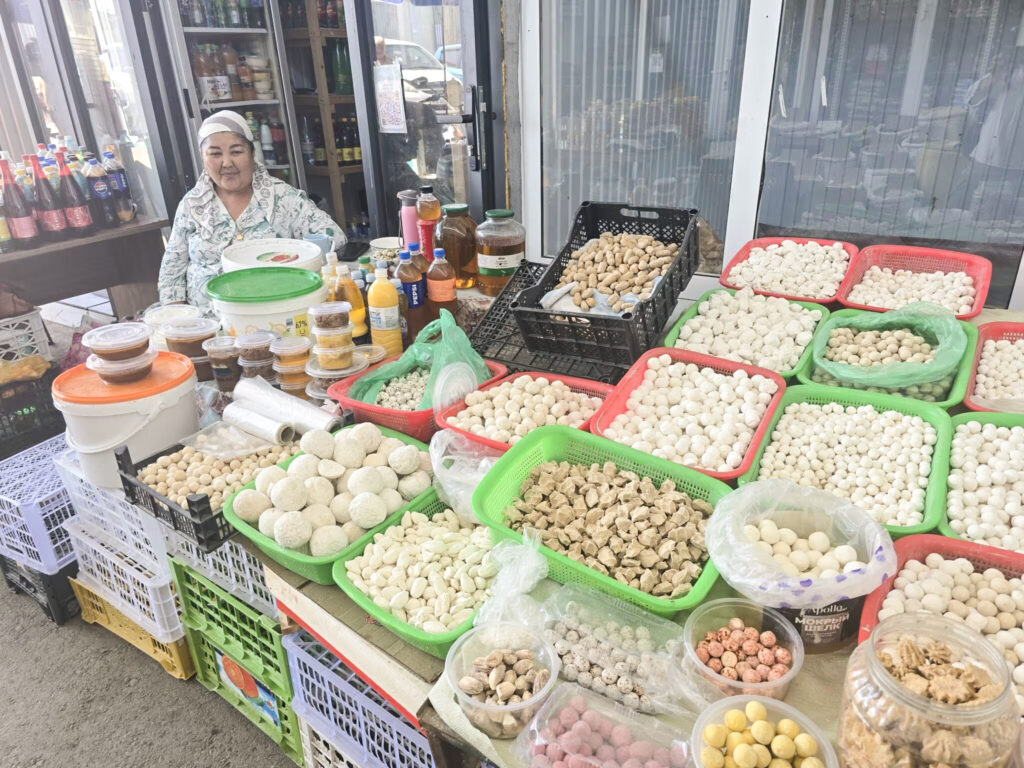
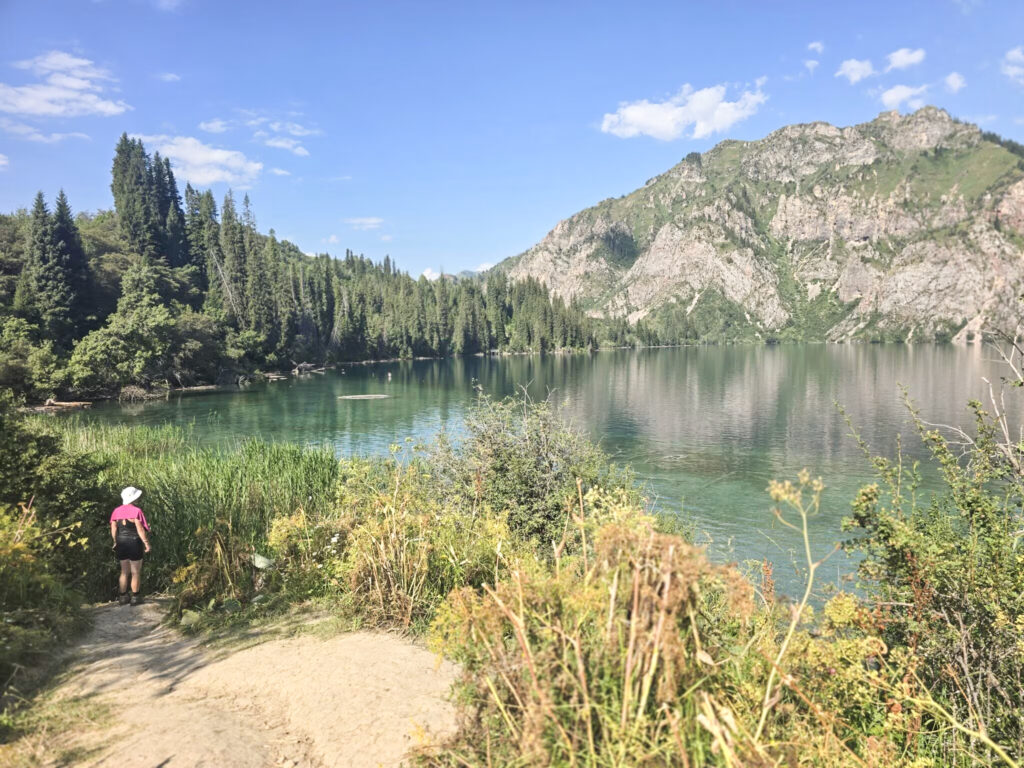
Then comes Lake Sary-Chelek. Hidden at 1,873m amongst the Tien Shan Mountains, we’ll reach its crystal-clear turquoise shores on foot, where local vendors sell honey, traditional kurut and fermented mare’s milk.
Once the boots come off, we’ll cross the country to Bishkek, stopping for a night in a traditional yurt camp before finishing with two nights in a spa hotel, a sauna, good food and a proper celebration of everything we’ve just done.

Hiking
Yoga
Horse Riding
Our Activity Rating helps you understand how physically demanding each trip is. It takes into account factors such as hiking distance, elevation gain, terrain, altitude, the number of active days and the overall pace of the itinerary. It doesn’t reflect how rewarding, adventurous or culturally immersive a trip is.
0-2 | Gentle walks, minimal elevation gain and a relaxed pace. More time is spent exploring local culture, history and communities than on physical activity.
3-4 |Regular walking, some uneven terrain and occasional hills. A balanced mix of active experiences and cultural exploration.
5-6 | Longer days outdoors, varied terrain, regular ascents and descents, and a more active itinerary.
7-8 | Long hiking or activity days, sustained climbs and descents, uneven terrain and consecutive active days.
9-10 | Our most physically demanding itineraries, featuring long days, significant elevation gain, higher altitudes and challenging terrain.
£1,950 per person
£195 deposit • Fully refundable for 48 hours
Group size:
Between 4- 10 women
Small groups by design for deeper connection, and better support
8th to 18th July 2027
Highlights
6 nights in the stunning UNESCO Sary Chelek Biosphere Reserve past deep gorges and through dramatic mountain passes.
Discover the ancient Silk Road city of Osh before the trek.
Wild camp, stay in traditional yurts, local guesthouses and a spa hotel.
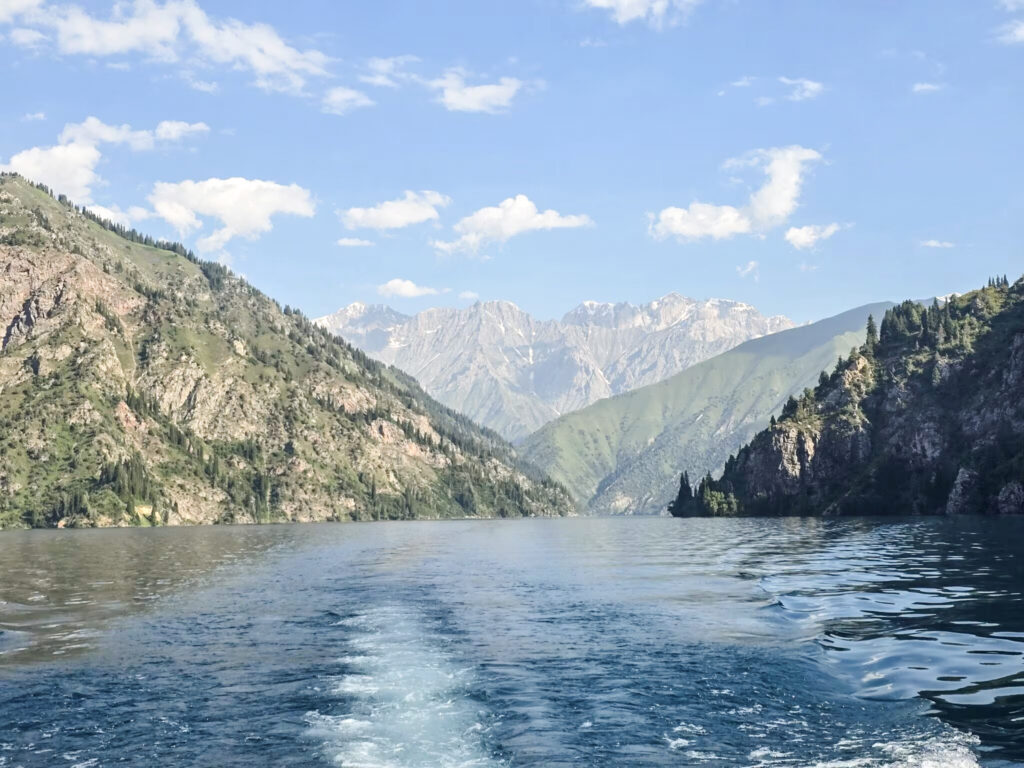
Boat ride across Sary-Chelek (at 1,873m), a 7.5 km (4.66miles) long turquoise gem in a biosphere reserve, flanked by spruce-covered cliffs.
Daily guided yoga sessions and stretching sessions outdoors in beautiful surroundings.
Camp near remote alpine lakes, enjoy rustic local dishes, and connect with local families and nomadic communities.
Be surrounded by rich biodiversity in forests home to thousands of plants, hundreds of birds, and 40+ mammals.
Trek through the Kuldambes (2946m), Kuturma (2446m), and Ashuu (2551m) passes with an optional ascent to 3000m.
Horse ride along the shores of Lake Kyla-Kol.
Experience a stunning drive across Kyrgyzstan stopping for the night at a traditional yurt camp.
Last two nights in a spa hotel in the capital Bishkek.
A Bishkek city tour, visiting traditional tea rooms and local bazaars.
Itinerary
Arrival in Osh
Flexible arrival times
Welcome to Kyrgyzstan! We’ll meet you at Osh Airport and transfer you to our hotel, where you’ll have the rest of the day to settle in, relax after your journey and get your first feel for the city.
Depending on when you arrive, head out for a wander, find a local tea house or simply put your feet up. This evening, we’ll all come together for our welcome dinner, meet the women we’ll be sharing the next 11 days with and run through the adventure ahead.
Overnight: Family guesthouse, Osh
Meals: Dinner
Osh to Sary-Chelek Biosphere Reserve
Route: Osh – Arkyt, Sary-Chelek Biosphere Reserve (350 km / 217 mi) | Transfer: Approx. 7 hours | Altitude: 1,300m | Walk: 1–2 hours
After breakfast, we’ll leave Osh behind and head deep into rural Kyrgyzstan towards the UNESCO-listed Sary-Chelek Biosphere Reserve. Once we arrive, we’ll stretch our legs with a walk through the surrounding forest before settling into camp for our first night in the mountains.
After dinner, there’ll be an optional stretch and rebalance session before tomorrow’s trek begins.
Overnight: Wild camping in comfortable tents
AFLATUN VALLEY TO UYALMA RIVER
Route: Aflatun Valley – Uyalma River (13 km / 8.1 mi) | Altitude: 1,630m
Today we’ll follow the Aflatun River through dramatic canyons, open valleys and forests as we gradually climb towards the Uyalma River. Along the way, we’ll pass nomadic herders, grazing horses and cattle, and the occasional yurt dotted across the landscape.
We’ll start the day with morning yoga and finish with an optional stretch and rebalance session at camp.
Overnight: Wild camping in comfortable tents
UYALMA RIVER TO LAKE SARY-CHELEK VIA KULDAMBES AND ASHUU PASS
Route: Uyalma River – Kuldambes Pass – Ashuu Pass – Lake Sary-Chelek (12.4 km / 7.7 mi) | Highest point: 2,946m
Today’s trek takes us up and over Kuldambes Pass (2,946m), with stunning views across the Uyalma and Chatkal ridges, before descending towards Ashuu Pass (2,551m). From here, we’ll make our way down to the turquoise shores of Lake Sary-Chelek, one of Kyrgyzstan’s most striking alpine lakes.
We’ll start with morning yoga and finish with an optional stretch and rebalance session beside the lake.
Overnight: Wild camping in comfortable tents
LAKE SARY-CHELEK TO KYLA-KOL
Route: Boat crossing of Lake Sary-Chelek – Kyla-Kol (approx. 12–14 km) | Altitude: ~1,900m
We’ll start the day crossing the crystal-clear waters of Lake Sary-Chelek by boat beneath the snow-capped Tien Shan Mountains. Back on shore, we’ll browse local honey and produce, watch horses galloping along the tracks, then begin our climb through shady forest trails and flower-filled meadows towards a remote horse ranch.
Along the way, we’ll meet local families and experience the warm Kyrgyz hospitality this region is known for.
Morning yoga and an optional evening stretch and rebalance session bookend the day.
Overnight: Wild camping in comfortable tents
KYLA-KOL TO KARA-KAMYSH PASS
Route: Kyla-Kol – Kara-Kamysh (12–13 km / 7.5–8 mi) | Altitude: ~2,200m
Today is our final big climb, following a winding mountain trail up to the pass before descending through alpine meadows, forests and remote valleys to our yurt camp at Kara-Kamysh.
This is a great little camp where we’ll meet locals and travellers from neighbouring Central Asian countries. Take a boat out on the lake, or try your hand at archery, pick up a few supplies from the kiosk or simply sit back and take it all in.
Morning yoga and an optional evening stretch and rebalance session bookend the day.
Overnight: Traditional yurt camp
TRANSFER TOWARDS BISHKEK
Route: Kara-Suu Village – Traditional Yurt Camp (09:00 – 15:30) | Altitude: ~2,200m
After breakfast, we leave Sary-Chelek behind and begin the scenic journey towards Bishkek. Travel through dramatic valleys, mountain passes and rolling jailoos (summer pastures), stopping for lunch en route. Arrive at a traditional yurt camp in the beautiful Suusamyr Valley, where we’ll experience one final evening of Kyrgyz nomadic hospitality beneath the stars.
Overnight in a traditional yurt camp.
YURT CAMP TO BISHKEK
Route: Traditional Yurt Camp – Bishkek | Transfer: Approx. 6.5 hours | Altitude: 800m
After breakfast, we’ll leave our yurt camp behind and continue across Kyrgyzstan towards Bishkek, stopping for lunch along the way. We’ll arrive mid-afternoon and check into our spa hotel, with the rest of the day free to relax, explore or make very enthusiastic use of the hotel facilities.
Overnight: Spa hotel, Bishkek
DISCOVER BISHKEK
Route: Bishkek City Tour | Full day | Altitude: 800m
Today we’ll explore Bishkek, taking in Ala-Too Square, the colourful chaos of Osh Bazaar and Victory Square before swapping sightseeing for some well-earned downtime at a traditional spa and sauna.
Tonight, we’ll come together for our farewell dinner and celebrate 1o days of mountains, yurts, horses, new friendships and one hell of an adventure.
Overnight: Spa hotel, Bishkek
DEPARTURE DAY
Route: Bishkek – Manas International Airport | Altitude: 800m
Enjoy a relaxed breakfast before transferring to Manas International Airport for your onward flight, taking home unforgettable memories of Kyrgyzstan’s mountains, nomadic culture and the friendships made along the way. Safe travels!
Essentials
Meet: Osh International Airport (OSS)
Depart: Manas International Airport (FRU), Bishkek

All accommodation is based on twin sharing. If you’d prefer your own room, please let us know when booking and we’ll confirm availability and price.
This trip combines a variety of authentic accommodation, including wild camping, a traditional yurt camp, a local family guesthouse and a spa hotel in Bishkek, giving you a true taste of Kyrgyzstan.
4 nights wild camping in spectacular mountain settings, surrounded by forests, rivers and alpine lakes. Tents, sleeping mats, group equipment, toilet tents are provided.
1 night in a traditional yurt camp at Kara-Kamysh, during the Sary-Chelek trek.
1 night in a local guesthouse in Kara-Suu Village, with a home-cooked meal after completing the trek.
1 night in a traditional yurt camp en route to Bishkek, breaking up the journey from Sary-Chelek.
2 nights in a spa hotel in Bishkek, with time to explore the city and enjoy a traditional spa and sauna experience.
If you’d like to extend your stay before or after the trip, we can arrange additional hotel nights in either Osh or Bishkek. Prices start from approximately US$45-55 per room, per night, depending on the season and availability.

What’s included

All transfers, including Osh and Bishkek airport pickup and drop-off.
All the accommodation as stated in the itinerary.
Full board on trek (3 hot meals/day).
Guided Yoga and stretch reset sessions.
Horse riding afternoon, 1-2 hours.
Meals: Breakfast daily (except arrival day), all meals during the trek, meals at both yurt camps and the guesthouse, lunches during transfer days, and a farewell dinner in Bishkek.
Accommodation in high-quality tents (2 person).
Sleeping bags, mats, trekking poles, and more as mentioned in the “What to bring” section.
Pack horses to carry all the equipment and all your personal gear except for day packs.
English-speaking local female guide.
Our camp cook, and support staff.
All camping and kitchen equipment, tables and chairs, toilet and shower tents.
Permits for Sary-Chelek Nature Reserve and ecological fee.
Group first-aid kit.
What’s not included

International flights.
Travel insurance (required, see section on insurance).
Meals in Osh (except hotel breakfast).
Tips: Entirely optional, but always appreciated. If you wish to tip your guide and trekking crew, we recommend budgeting approximately £40-45, €45-50 or 4,500-5,500 Kyrgyz som (KGS) per person for the trip.

We will provide
– A warm sleeping bag (suitable for alpine nights)
– Insulated sleeping mat
– Telescopic trekking poles
– Rain jacket or poncho
– Head torch (forehead flashlight)
– Metal thermos or flask
– Bowl, mug, and spoon for meals
It’s recommended that you bring
– Sleeping bag liner (for hygiene and added warmth)
– Worn-in trekking boots (sturdy, with ankle support — or technical trail trainers not regular running trainers as they won’t be sufficient)
– Layering system:
Base layer (synthetic or merino, top & bottom)
Mid layer (fleece or light down)
Shell layer (waterproof jacket + trousers)
– 2 or 3 breathable trekking shirts (quick-dry)
– 1 pair trekking trousers + 1 pair shorts or leggings
– Warm hat + sun hat or cap
– Light gloves (fleece or softshell)
– UV-protective sunglasses
– High SPF sunscreen (SPF 50+) and Lip balm with SPF 30+
– 1 or 2L water bottle (with water filter if possible or water purifying tablets). Or a hydration bladder that fits with your day pack.
– 20–30L Daypack (for your daily essentials)
– Power bank (no charging available while camping)
– Personal medications + basic first aid items
– Toiletries + biodegradable wet wipes (no showers on trek)
– Quick-dry travel towel (microfibre)
– Swimsuit
-Cooling towel (just soak in water to keep your neck cool during hot trekking days)
Optional but useful
– Lightweight sandals or camp shoes (for evenings)
– Buff or neck gaiter (for dust, cold, or sun)
– Trekking snacks (nuts, energy bars, etc.)
– Waterproof dry bags or ziplocks (for electronics & spare clothes)
– Electrolyte tablets or energy gels (for sustained energy during touring days)
– A travel plug adapter compatible with Type C and F. If your device is dual-voltage (110–240 V), like most phone/tablet chargers or laptop power bricks, you’ll only need the adapter.

A valid passport is required to travel, with at least 6 months before expiration.
Fly into Osh Airport and out of Bishkek. Full arrival details and meeting point will be available in your back office after booking.
Travel & health insurance is required. Please ensure your policy includes emergency medical care, trip delays or cancellations, and hiking to 3000m in Kyrgyzstan. See our section on INSURANCE for more details & useful contacts.
Visas. Many nationalities, including citizens of the EU, UK, USA, Canada, Australia, and New Zealand can enter Kyrgyzstan visa-free for up to 60 days. However, entry requirements may vary, so we strongly recommend checking with www.visahq.com
The currency in Kyrgyzstan is the Kyrgyzstani Som (KGS). While credit and debit cards are accepted in major cities, rural areas and mountain villages are largely cash-based. It’s essential to carry some som for purchases in remote regions. ATMs are widely available in towns like Osh or Bishkek but are limited or nonexistent in mountain areas. Always choose rates in the local currency Som when making your choice.
The currency in Kyrgyzstan is the Kyrgyzstani Som (KGS). Credit and debit cards are accepted in major cities, but remote villages and mountain areas are largely cash-based, so carry some som. ATMs are widely available in Osh and Bishkek but are scarce in the mountains. You generally can’t buy or hold Kyrgyzstani som through banking apps outside Kyrgyzstan, so withdraw cash on arrival. ATM fees vary by bank, and airport ATMs may charge more than those in the city. Always choose to pay or withdraw in the local currency (KGS).
Dietary Requirements & Allergies
We’re happy to cater for most dietary needs including vegetarian, vegan, gluten-free, and lactose-free but please let us know in advance so we can plan accordingly. In some remote areas, options may be limited, so we recommend bringing any essentials or snacks that suit your needs. If you have food allergies, it’s essential you inform us ahead of time. Whilst we’ll do our best to avoid cross-contamination, we can’t guarantee allergen-free meals and cannot accept liability if accidental exposure occurs

Is this the right trip for me?
You’ll be hiking between 1,300m and 2,950m, with some long days, up to 19 km and 1,000m+ elevation gain/loss. This is not a technical route, but you need to be physically fit and steady on your feet. The trails are remote, with no rescue access, and no shortcuts. This is real wilderness. You don’t need to be a mountaineer, but if you’ve done big hikes or multiday treks and want something more remote this is it. Perfect for people who want mountains without tourists and camping with comfort.
What about going to altitude?
This trip includes time at high altitude, with the option to cross a mountain pass close to 3,000 metres. While this is not considered extreme altitude, it’s still important to give your body time to adjust especially if you’re not used to elevation. Most people acclimatise without issues, but you may feel short of breath or more fatigued as your body adapts. We pace the trip carefully, and the route has been designed with gradual elevation gain in mind. You’ll also have support from our local team throughout. If you have concerns about altitude or pre-existing health conditions, we recommend speaking with your GP before travel.
What will the conditions be like?
July and August are the best months to trek in Kyrgyzstan, with warm days, clear skies, and wildflower-filled valleys. At lower elevations, daytime temperatures can reach 20–28°C, especially in sunny areas. As you gain altitude, it cools significantly, expect 5–15°C in the mornings and evenings, and potentially below freezing at night when camping near alpine lakes. Weather in the mountains can shift quickly, so be prepared for sun, wind, and the occasional storm, even in summer. You’ll need a layered clothing system, including a waterproof shell and warm layers for the colder nights. The trails are dry and clear at this time of year, but you’ll still be walking over uneven, rocky ground and possibly crossing small streams or muddy patches.
While we expect all participants to arrive well-prepared, the route may be adjusted slightly by the local guide in the event of extreme weather or unexpected group needs, always with safety and enjoyment in mind.
Swimming in Lake Sary-Chelek is not allowed, as it lies within a strictly protected biosphere reserve. Other lakes in the area are also part of this delicate ecosystem, and while not always strictly enforced, swimming is strongly discouraged to help preserve the water quality and protect the natural environment. We ask all guests to respect these guidelines as part of travelling responsibly in such a unique region.
What will the food be like?
Expect hearty, home-cooked meals with a Central Asian twist, plenty of fresh bread, rice or buckwheat, soups, stews, eggs, potatoes, and seasonal vegetables. Vegetarian options are available, but variety can be limited in remote areas. Please let us know your dietary requirements in advance so we can do our best to accommodate them. We also recommend bringing any essential snacks or supplements if you have specific needs.
Will I have phone signal/Wi-Fi? Can I charge devices during the day?
Mobile signal is limited to towns like Osh, once you head into the mountains, expect to be fully off-grid for most of the trek. There’s no phone signal or Wi-Fi at the camps or homestays, so it’s a great time for a digital detox. You’ll be able to charge devices in Osh before and after the trek, but there is no guaranteed access to electricity while in the mountains. We recommend bringing a power bank (or two) if necessary, to keep your phone or camera charged throughout the trip.
Can I do laundry?
Some accommodations offer laundry service or shared facilities. We recommend packing quick-dry clothing and a small eco travel detergent for hand-washing essentials along the way.
What if I get tired or injured?
What if I get tired or injured? This is a supported trek, you’ll only carry a light daypack, and the rest of your gear is transported by jeep. We move at a steady pace with regular breaks, and the group will always look out for one another. That said, some days are longer or involve sustained climbs, so a reasonable level of fitness is important. If you find yourself unable to continue the trek due to illness, injury, or fatigue, our local team will help arrange your return to the nearest village or town, where you can rest or access medical support if needed. In more serious cases, we’ll assist in getting you to the nearest hospital or clinic.Our guides are experienced in handling these situations. It’s essential that your travel insurance covers trekking at altitude to 3000m and medical evacuation from remote areas, please double-check this before you travel.
What will the toilet and shower facilities be like during the trek?
While we’re in the mountains, we’ll use a private toilet tent with portable camping toilets, giving you privacy throughout the trek. A separate shower tent will also be available, with water provided for a simple camp shower. It’s all part of the expedition experience, but we’ve made sure you can stay as comfortable and hygienic as possible in the wild.
Do we need to tip?
Tipping isn’t expected, but it is greatly appreciated by the local team, especially the guides, drivers, and horsemen who make this journey possible. If you feel they’ve contributed to a great experience, a pooled tip at the end is a lovely way to show thanks. As a rough guide, we suggest €20–40 per guest, which can be distribute fairly among the team.
Is English widely spoken?
In cities like Bishkek and Osh, you’ll find some younger people and those in tourism who speak basic English. However, in rural areas and mountain villages, English is rarely spoken. Your local guide will translate where needed, and a few friendly phrases go a long way:
Hello – Salam
Thank you – Rakhmat
Yes – Ooba
No – Jok
Cheers! – Baktyluuk bol! (literally “be happy/blessed” — used more as a toast)
Learning a few words in Kyrgyz or Russian is always appreciated, and often met with big smiles.