Tap to explore
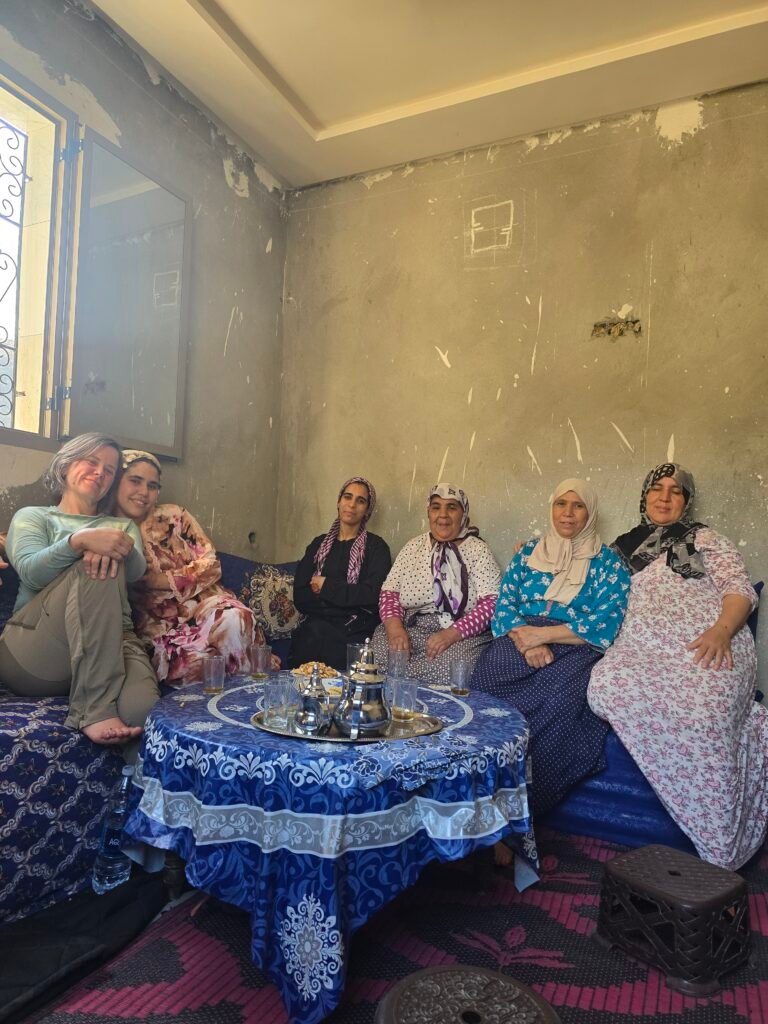
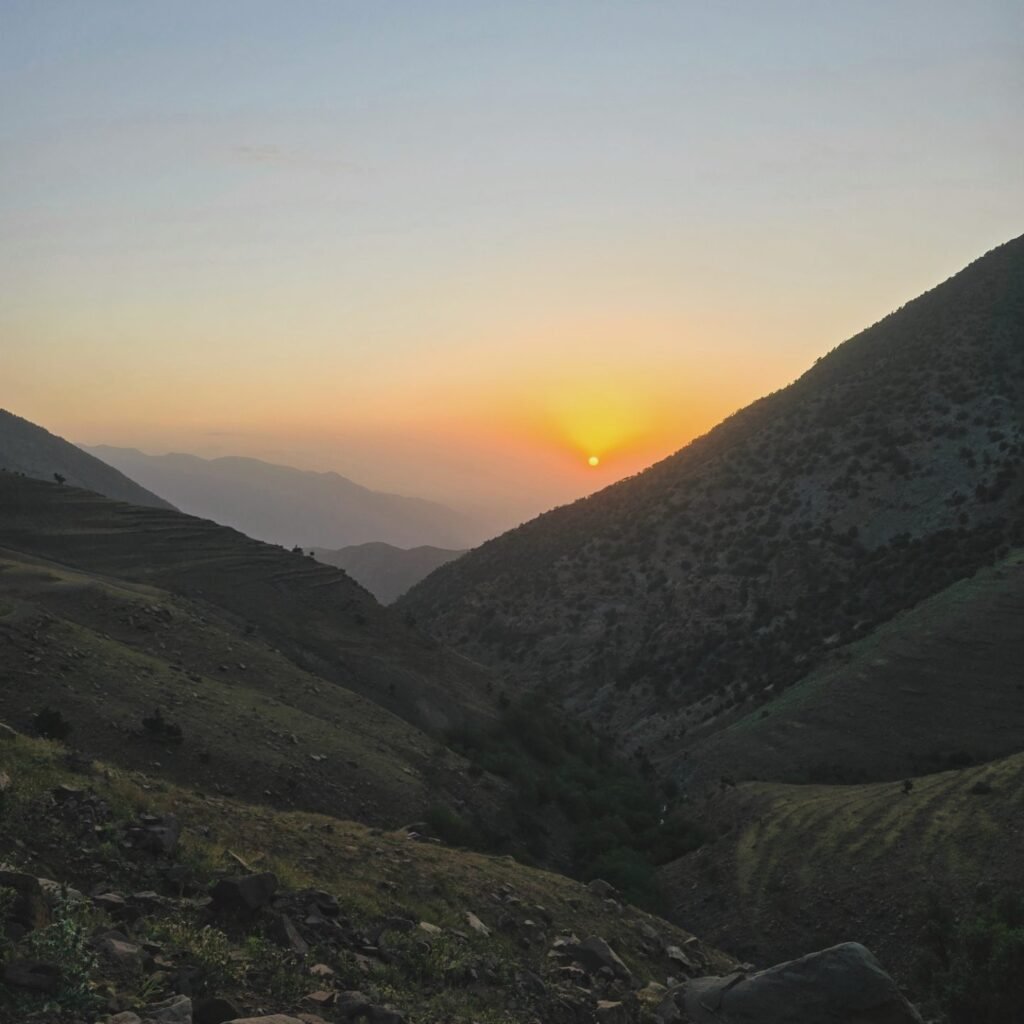
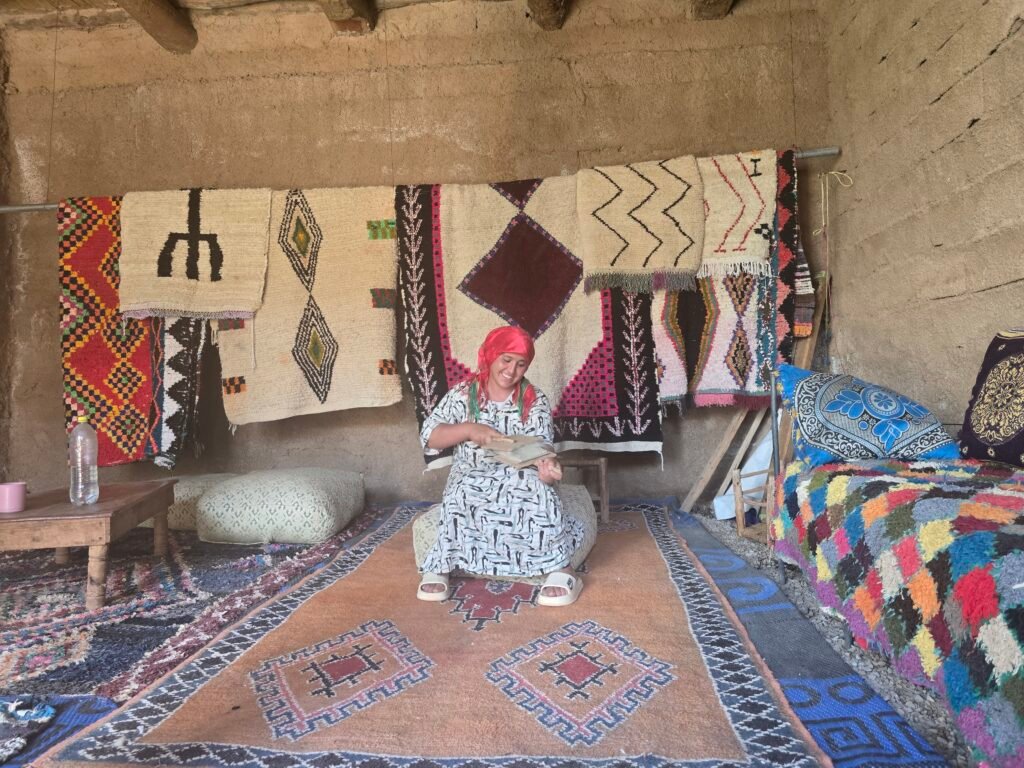
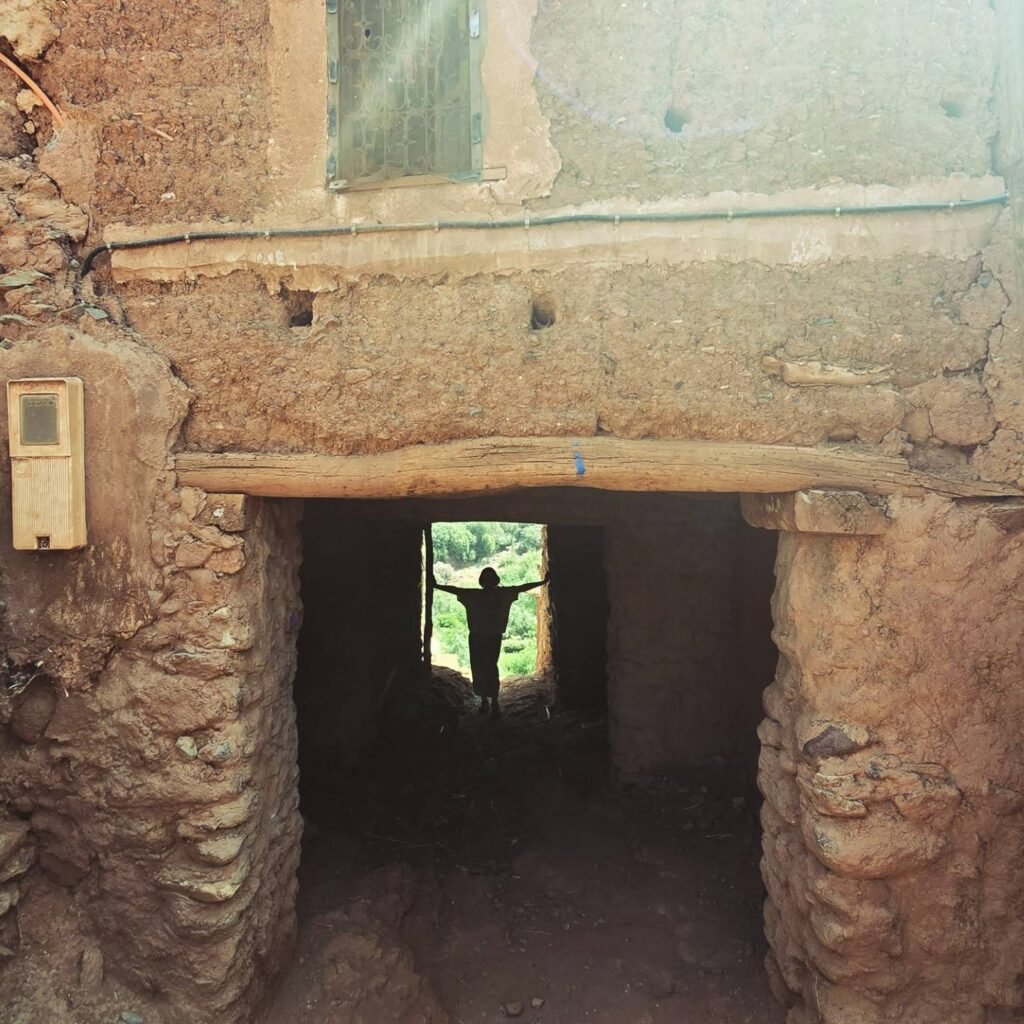
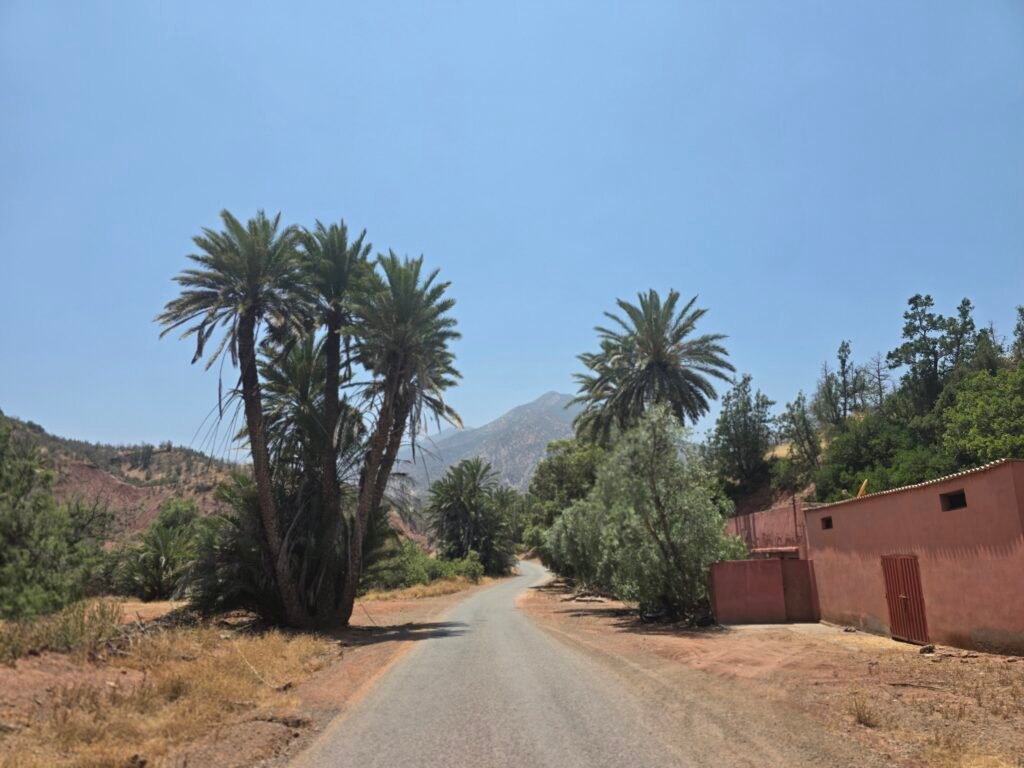
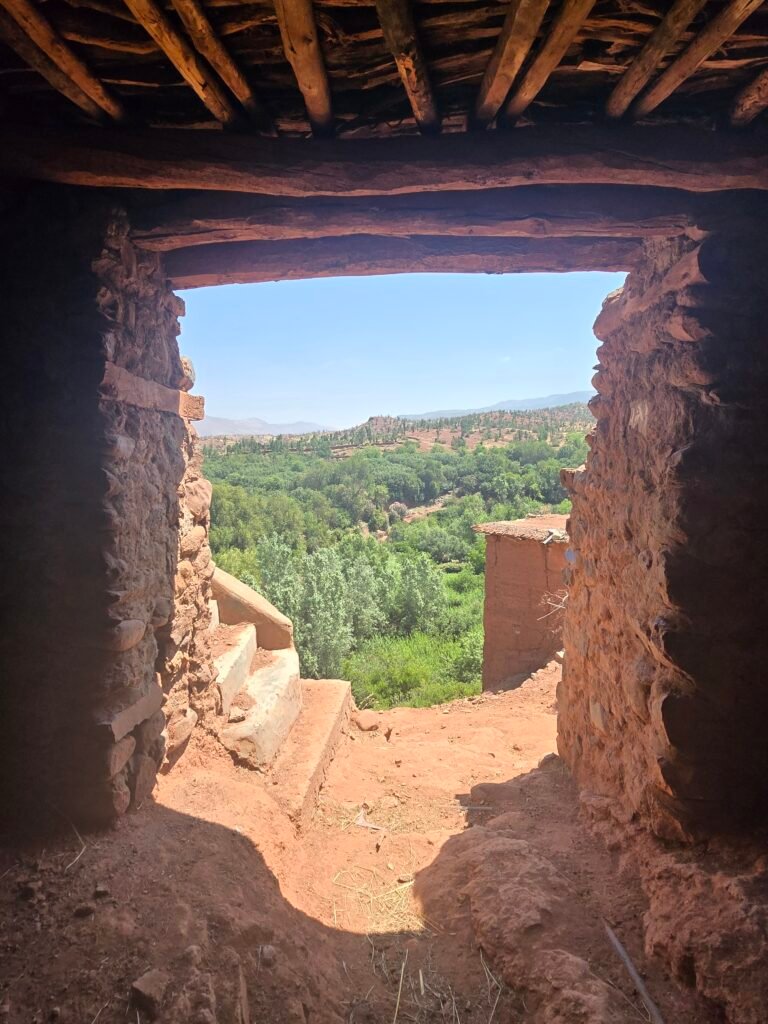
The Amazigh Mountain Experience is a journey through Morocco’s High Atlas, created in partnership with local Amazigh families and communities.
Beginning in Marrakech, we’ll explore the vibrant medina before spending the night in a traditional riad, from there we’ll journey into the High Atlas, staying in family-run guesthouses, and mountain gîtes. Along the way we’ll explore remote villages, share home-cooked meals, learn about Amazigh traditions and gain an insight into a way of life that has endured for centuries.
Together with our local Amazigh hosts, we’ll follow ancient footpaths that have connected High Atlas villages for generations. We’ll visit a women’s weaving cooperative for a hands-on rug-making workshop, experience a traditional hammam and body scrub, enjoy optional yoga sessions with spectacular mountain backdrops, savour traditional home-cooked Amazigh cuisine and spend time beside the beautiful waters of Barrage Ouirgane.
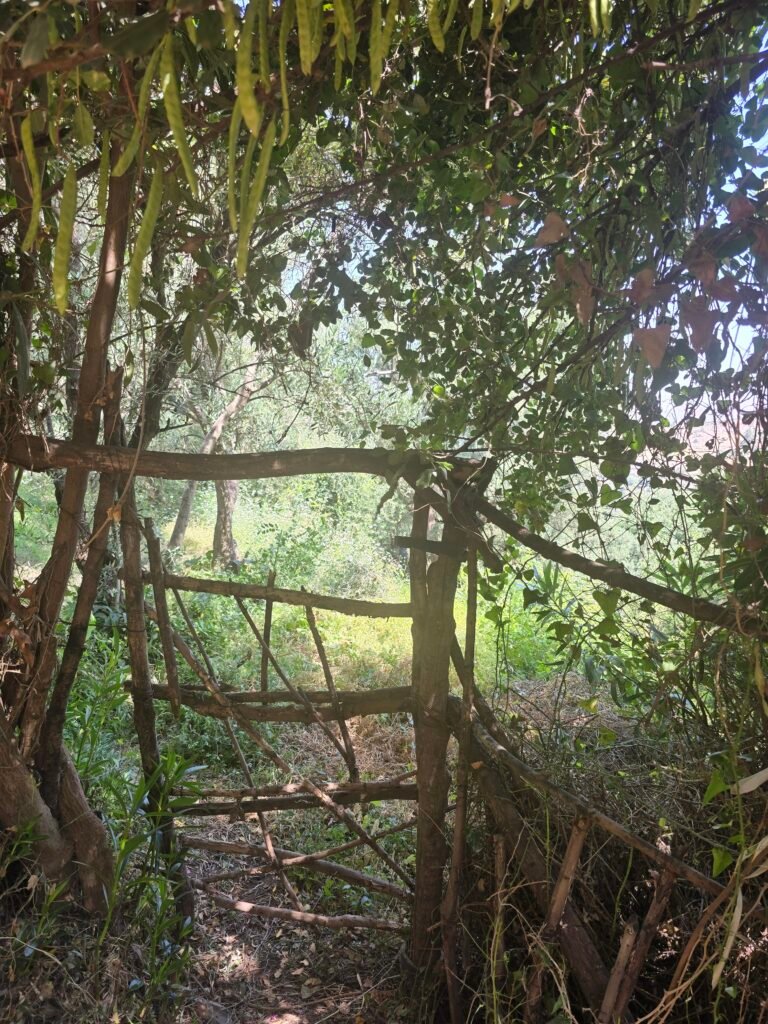
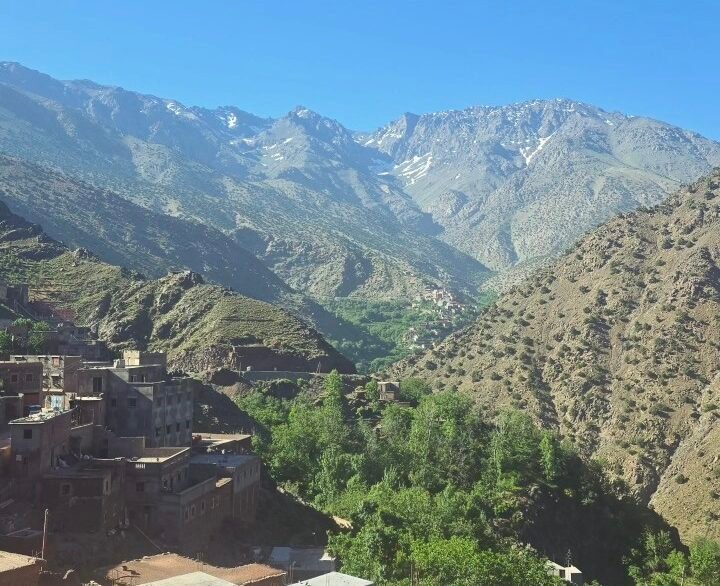
As we walk through the valleys, we’ll pass centuries-old villages, terraced fields, walnut, olive and carob groves, and traditional irrigation channels that still sustain the communities today. There’ll be time to stop for tea with local families and learn more about the history, traditions and everyday life of Morocco’s Amazigh people.
This is a chance to experience a side of Morocco that many visitors never see, while directly supporting the local communities who make this journey possible. It’s a journey shaped by genuine cultural exchange, spectacular mountain landscapes and the warm hospitality of Morocco’s Amazigh people.
Hiking
Swimming
Yoga
Cultural Active
0–2: Cultural
A strong balance of cultural exploration and physical activity. Expect full days combining walking, local visits and time outdoors, sometimes over varied terrain. Participants should be comfortable being active and managing consecutive days on their feet, without the trip being physically demanding. A strong balance of cultural exploration and activity.
3-4: Cultural Active
Trips where planned physical activity forms a clear part of the itinerary alongside cultural experiences. Expect full days that may include walking tours, local visits and full day or overnight treks, sometimes at altitude and over varied but non-technical terrain. Participants should be comfortable with sustained daily activity.
5–6: Adventurous
Physical activity is a central part of the journey, balanced with meaningful cultural experiences. Expect full days outdoors with sustained movement over varied terrain, which may include longer treks and a variety of outdoor activities. This level suits women with good general fitness who exercise regularly and are comfortable staying active across consecutive days.
7-8: Skilled
Designed for women, who already enjoy a specific activity (for example cycling, ski touring or trail running) as previous experience in the core activity is essential. No expedition conditions or extreme environments. These journeys prioritise sustained movement and endurance while remaining fully supported and culturally grounded.
9-10: Advanced
Expect mostly active days with sustained movement and elevation gain, across a varied programme of activities. Days are structured to balance physical effort with recovery time. This level suits fit, well-prepared participants who are comfortable maintaining a steady pace over consecutive days and enjoy challenging themselves.
£1,350
(Reserve your spot for £135)
4-10 Women
Kept Small by Design
25th April to 2nd May 2027
9th May to 16th May 2027
Highlights
Explore the vibrant souks of Marrakech, home to North Africa’s largest traditional market.
Experience everyday life in traditional Amazigh villages in the High Atlas Mountains.
Experience a traditional Moroccan hammam with black soap and a body scrub.
Stay in a handpicked mix of traditional riads, family-run guesthouses, and mountain gîtes.
Guided outdoor yoga sessions with panoramic mountain views.
Paddleboard, pedal boat or simply unwind at the spectacular Barrage Ouirgane.
Discover centuries-old farming techniques, terraced fields and ancient irrigation channels still in use today.
Walk through walnut, olive and carob groves, taking in panoramic views across the mountains and valleys.
Traditional immersive rug-weaving workshop with a women’s cooperative.
Traditional home-cooked Amazigh cuisine, freshly baked bread and endless glasses of tea.
Discover a side of Morocco few visitors ever experience.
Itinerary
Airport | Marrakesh | Approx. 30-minute transfer
Arrive at Marrakesh Menara Airport where you’ll be met by your female guide and driver. Transfer by road to our beautiful traditional riad, hidden within the ancient walls of the medina.
After check-in, there’s time to settle in before we head out to explore the vibrant souks and winding alleyways of the old city. This evening we’ll gather for a welcome dinner of authentic Moroccan cuisine and an opportunity to get to know the women you’ll be sharing the week with.
Overnight: Traditional riad in Marrakesh
Meals: Dinner
Day 2 | Marrakesh to Tacheddirt (2300m) | Approx. 2-hour transfer
After a traditional Moroccan breakfast, we leave the bustle of Marrakesh behind and journey into the spectacular High Atlas Mountains. As the road climbs higher, the landscape transforms into dramatic mountain scenery, terraced fields and traditional Amazigh villages. Along the way, we’ll have the option to stop for photographs and browse local artisan stalls before arriving at our guesthouse in the remote mountain village of Tacheddirt (2,300m), a place few tourists ever reach.
Later, those who wish can take a short acclimatisation walk through the village before visiting the home of a local Amazigh family. Sharing tea and traditional homemade food offers a genuine insight into everyday life in the High Atlas, where welcoming guests into the home remains an important part of Amazigh culture. We’ll also discover why tea, often affectionately known as “Berber whisky”, is far more than a drink. It’s a symbol of hospitality, friendship and respect.
As the sun begins to set, we’ll return to our guesthouse for a relaxing yoga session on the terrace before enjoying a home-cooked dinner prepared by our hosts.
Overnight: Guesthouse, Tacheddirt
Meals: Breakfast | Lunch Amazigh mezze | Dinner
Day 3 | Waterfall | Remote Village Life
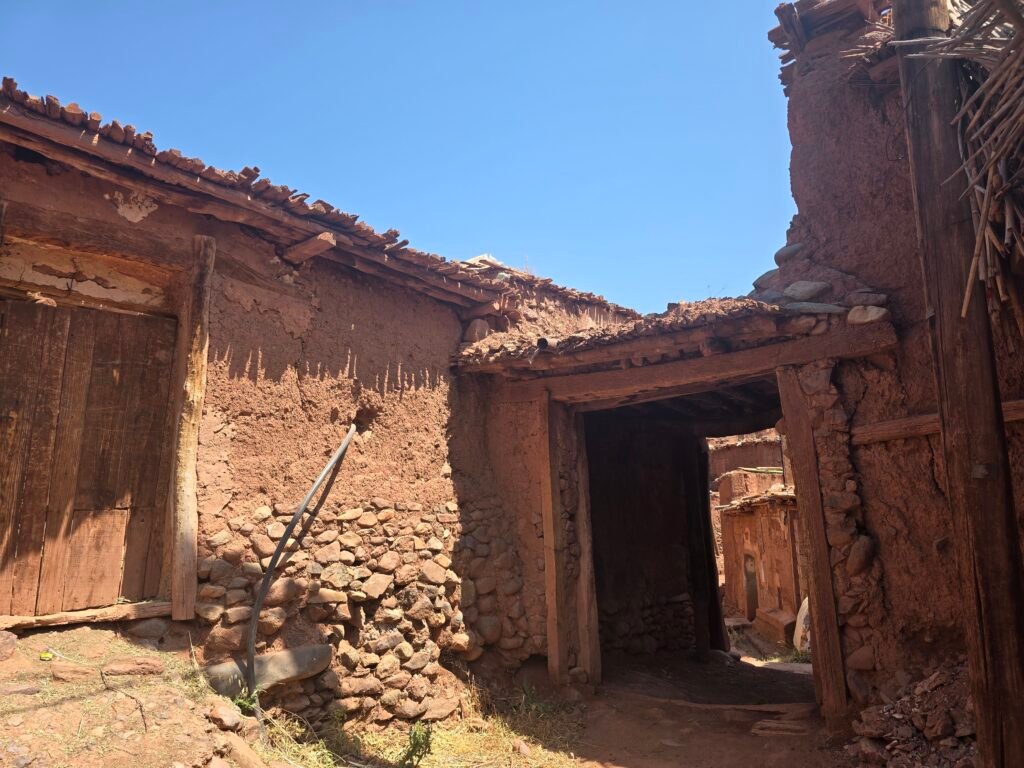
After breakfast, we’ll leave Tacheddirt on foot, and head to the waterfall. We’ll be following ancient mountain paths through one of the High Atlas’ most traditional valleys. Passing secluded Amazigh stone villages, where families still live in homes built by generations before them, we’ll gain an insight into a way of life that has endured for centuries.
The waterfall is at its most spectacular in May, fed by the spring snowmelt. If conditions allow, there’ll be the opportunity for a dip in the crystal-clear natural pools before we make our way back to the village.
We’ll return to the guesthouse for lunch on the terrace overlooking the valley. The afternoon is free to relax or explore the village. Depending on what’s happening in the community, there may be the opportunity to meet local Amazigh women, visit the village school or spend time with a local guide to learn more about everyday life in the High Atlas.
As evening falls over the valley, there’s the option to join a yoga session on the terrace before a traditional home-cooked Amazigh dinner at the guesthouse.
Overnight: Guesthouse, Tacheddirt
Meals: Breakfast | lunch | Dinner
Day 4 | Azzaden Valley Villages
After breakfast, we’ll transfer along winding mountain roads to Adassia, a small village overlooking the Azzaden Valley. Our family-run guesthouse is built into the mountainside, with panoramic views across the valley and fresh spring water supplied directly from the mountains.
From the gîte, we’ll set out on foot along the old paths linking the villages of the Azzaden Valley. Home to nine Amazigh communities, this network of trails has connected families for generations. Along the way, we’ll stop with a local family to share mint tea and a traditional Amazigh mezze before continuing through the valley at a relaxed pace.
Back at the gîte, we’ll gather for a traditional home-cooked dinner prepared by our hosts. Over dinner, there’ll be the opportunity to learn more about Amazigh culture and the history of the Azzaden Valley from members of the family, several of whom speak English.
Overnight: Gîte Adassia
Meals: Breakfast | Amazigh Mezze Lunch | Dinner
Day 5 | Marigha to Lake Ouirgane
After breakfast, we’ll transfer to Marigha (approximately 40 minutes), where today’s walk begins. Following quiet lanes lined with traditional Amazigh mud-brick walls, we’ll explore a village that offers another perspective on life in the High Atlas.
We’ll be welcomed into the home of a local family for tea before joining a hands-on Amazigh rug-weaving workshop with the wife of our host, who runs her own women’s weaving cooperative. Working alongside her, we’ll help prepare the wool, learn traditional weaving techniques and add the finishing touches to a rug, while discovering the stories and symbolism woven into each design.
After a traditional homemade lunch on the family’s terrace, with panoramic views across the valley, we’ll continue on foot towards Lake (Barrage) Ouirgane (approximately 1.5 hours), following old village paths through Amazigh communities before arriving at our guesthouse. There’ll be time for a dip or to relax by the lake before dinner.
Overnight: Guesthouse
Meals: Breakfast | Lunch | Dinner
Day 6 | Ouirgane Valley & Lakeside Leisure
This morning, we’ll enjoy a guided walk (2-3 hours) through the lanes surrounding Lake Ouirgane. Passing walnut, carob and olive trees, we’ll discover the ancient irrigation channels that have sustained these communities for centuries, walk through traditional stone villages and alongside old community walls, with panoramic views across the valley and reservoir.
Lunch is at your leisure, with a choice of lakeside cafés and restaurants serving traditional Amazigh dishes and local specialities.
The afternoon is ours to spend by the lake. There’s the option to hire a pedal boat, or paddle-board, enjoy a refreshing dip or simply relax by the water before returning to our guesthouse for dinner.
Overnight: Guesthouse
Meals: Breakfast | Dinner
Day 7 | Hammam & Return to Marrakech
After breakfast, we’ll travel to Marigha for a traditional hammam, where you’ll experience an authentic Moroccan steam bath and body scrub. An optional massage is also available for those who wish.
Later, we’ll return to Marrakech, stopping for lunch along the way.
The afternoon is free to explore the Medina and souks at our own pace or join our host for an informal walk through the old city.
Dinner is left open, giving the group the chance to choose from one of Marrakech’s many restaurants or enjoy the evening independently.
Overnight: Marrakech riad
Meals: Breakfast | Lunch
Day 8 | Departure
After a final group breakfast, it’s time to say our farewells.
Airport transfers will be arranged to coincide with your flight departure. If you’re travelling later in the day, you’re welcome to leave your luggage at the riad and spend a little more time exploring Marrakech or relaxing at the riad before heading to the airport.
Meals: Breakfast
Essentials

Meet at Marrakech Menara Airport (RAK). Your transfer to the riad is included.
Full joining details will be sent after booking.

2 nights Traditional Riad
3 nights Family-run mountain gite
2 nights Guesthouse
Please note: The mountain gîtes are traditional Amazigh homes with simple, rustic facilities. Accommodation is based on shared rooms. Single supplements are available on request, subject to availability.

What’s included

7 nights’ accommodation (Riads, family-run guesthouses & mountain gîtes)
Airport transfers and all transport throughout the trip
Breakfast every day, 4 hot lunches, 2 traditional Amazigh mezze-style lunches, 6 home-cooked dinners (excluding the final evening in Marrakech, when you’ll be free to explore the city’s restaurants), plus tea and refreshments with local Amazigh families.
ShePeaks host throughout and our local Amazigh female host
All the village walks and cultural experiences
Women’s weaving cooperative workshop
Traditional hammam and body scrub (opinion to take a massage also)
Guided yoga sessions
All activities listed in the itinerary
What’s not included

Flights to/from Marrakech
Travel insurance
Alcoholic drinks and additional soft drinks
Optional massage after the hammam
Final evening meal in Marrakech
Personal spending and souvenirs
Tips are not included. There is no expectation to tip, but you may wish to offer a small gratuity to some of the local people we meet during the trip.

Walking shoes or lightweight hiking boots / trail walking trainers
Comfortable breathable sandals for the evenings
Lightweight walking trousers or shorts
Breathable T-shirts and walking tops
Long-sleeved top for sun protection
Warm fleece or insulated jacket for cool evenings
Lightweight waterproof jacket
Underwear and socks (including walking socks)
Sleepwear
Sun hat or cap
Sunglasses
High-factor sunscreen and lip balm with SPF
Swimwear
Travel towel|
Reusable water bottle for refilling (drinking water will be provided throughout the trip)
Small daypack (20-30 litres)
Walking poles (optional)
Headtorch or small torch (optional)
Personal toiletries
A travel towel
Personal medication and a basic first aid kit
Insect repellent
Phone, camera and chargers and power bank if required
UK to Morocco plug adaptor (Type C or E)

Passport
A valid passport is required to travel to Morocco. Your passport should be valid for at least 6 months from your date of entry.
Flights
Fly into and out of Marrakech Menara Airport (RAK). Full arrival details, meeting point and transfer information will be available in your customer portal after booking.
Travel Insurance
Comprehensive travel and medical insurance is compulsory. Your policy must include emergency medical expenses, repatriation, trip cancellation and interruption, and cover for hiking in the High Atlas Mountains. Please see our Insurance page for more information and recommended providers.
Visas
Many nationalities, including citizens of the UK, Ireland, EU, USA, Canada, Australia and New Zealand, can enter Morocco visa-free for up to 90 days. Entry requirements can change, so it’s your responsibility to check the latest requirements before travelling.
Currency
The currency in Morocco is the Moroccan Dirham (MAD). As the dirham is a restricted currency, it’s generally not available to buy outside Morocco. If you use a bank such as Revolut, Wise or Monzo, you can often exchange your money into Moroccan dirhams in advance within the app, then simply withdraw cash from an ATM on arrival. ATM withdrawal fees are typically around £3, depending on your bank and the local ATM. Alternatively, you can bring pounds, euros or US dollars and exchange them at banks or authorised exchange bureaux in Marrakech.
Credit and debit cards are accepted in many hotels, restaurants and larger shops, but Morocco remains largely a cash-based society. We recommend carrying smaller notes and coins for local markets, cafés and purchases in smaller villages. Google Pay and other mobile payment services are not widely accepted, so don’t rely on them. As we travel into the High Atlas, access to ATMs becomes more limited, so it’s advisable to withdraw enough cash before leaving Marrakech. We recommend carrying Moroccan dirhams, particularly smaller notes and coins, for purchases in local markets, cafés and smaller villages, where cash is often the only payment method.
Dietary Requirements & Allergies
We’re happy to cater for most dietary requirements, including vegetarian, vegan, gluten-free and dairy-free diets. Please let us know at the time of booking so arrangements can be made with our local hosts. While we’ll do our best to accommodate food allergies and avoid cross-contamination, we cannot guarantee allergen-free meals in remote mountain communities.
Language
The main languages spoken are Amazigh (Berber), Moroccan Arabic and French. Your ShePeaks host and local trip host both speak English and will be with you throughout the journey. Some local families also speak a little English or French, and your hosts will be on hand to help translate whenever needed.

What fitness level do I need?
This trip involves walking on mountain paths with some ascents and descents. We’ll do our best to avoid the hottest part of the day and, in May, the weather is usually pleasantly warm. You don’t need previous trekking experience, but you should be comfortable walking for several hours a day on uneven terrain. Even on our longest walks, we’ll stop regularly for tea, rest breaks and to enjoy the spectacular surroundings.
Can I drink the tap water?
The water used by our local hosts is generally fine for brushing your teeth, washing fruit and vegetables, making tea and everyday use. However, we recommend drinking bottled or filtered water during the trip. Drinking water will be provided each day so you can refill your reusable water bottle, helping to reduce single-use plastic.
What is the accommodation like?
You’ll stay in a mix of traditional Riads, family-run mountain gîtes and hotels or guesthouses. The mountain gîtes are simple, rustic Amazigh homes, with shared rooms and comfortable mattresses on the floor. It’s an authentic experience that offers a genuine insight into traditional Amazigh life.
Will I have phone signal/Wi-Fi?
Wi-Fi is available in most accommodation, although speeds can vary in the mountains. Mobile signal is generally available in villages but may be limited or staggered in more remote areas. There will be plenty of opportunity to charge our devices as we go.
What if children ask us for money or gifts?
While this is uncommon on our route, you may occasionally be approached by children asking for money, sweets or pens. We kindly ask guests not to give directly to children, as this can unintentionally encourage begging. Instead, we’ll support local communities in ways that are respectful and sustainable. If you’d like to make a positive contribution, we’re happy to suggest appropriate ways to do so during the trip.
What food is included?
There’ll be plenty of traditional home-cooked Amazigh cuisine throughout the trip. Meals typically include chicken, beef, lamb or goat (no pork or seafood), alongside seasonal vegetables, fragrant tagines and freshly prepared local dishes. Expect simple Moroccan salads made with tomatoes, onions, cucumber and olives, homemade butter, freshly baked bread, msemen (traditional layered flatbread), harcha (a semolina bread), and amlou, a delicious spread made from almonds or peanuts blended with argan oil and honey.
Traditionally, couscous is served on Fridays, following Friday prayers, and is considered a special family meal. While you’ll find it in restaurants in larger towns and cities throughout the week, many Moroccan and Amazigh families still prepare and enjoy couscous just once a week as part of this long-standing tradition.
Black or mint tea is served throughout the day and is an important part of Amazigh hospitality. In the evenings, you’ll often be offered loose-leaf verbena tea (louisa), a fragrant herbal relaxing infusion traditionally enjoyed after meals. Coffee is also widely available throughout Morocco, although tea is generally the drink of choice in Amazigh homes unless coffee is specifically requested.
Vegetarian diets and most dietary requirements can be catered for with advance notice. If you have a severe food allergy, please let us know before booking so we can discuss whether we can safely accommodate your needs.
What are the toilets and showers like?
In Marrakech, our Riad will have modern bathrooms. In the mountain gîtes, facilities are more basic but clean. Toilets may be Western-style, squat toilets, or a mix of both, depending on the accommodation. Hot showers are available, although water pressure and hot water can vary from time to time, as is often the case in remote mountain villages.
Is tipping expected?
Tipping is never expected, but it is always appreciated. If you feel someone has made your experience particularly special, you may wish to leave a small gratuity as a gesture of thanks. Even 5 to 50 Moroccan dirhams can make a meaningful difference, depending on the situation. This might include drivers, accommodation staff or local hosts. We’re happy to advise on local customs and appropriate amounts during the trip, but there is absolutely no obligation to tip.
Is English widely spoken?
Your ShePeaks host and local trip host both speak English and will be with you throughout the journey. The main languages spoken locally are Amazigh and Moroccan Arabic, known as Darija. Many local families will also speak a little English or French, but Amazigh is their first language. We can also help translate conversations, giving you the opportunity to connect with local people while learning a few Amazigh words along the way, such as:
Azul – Hello
Tanemmirt – Thank you
Labas? – How are you? Answer – Labas
Ih – Yes
Uhu – No
Bslama – Goodbye